Health & Safety Policy — Commercial Waste Bethnal Green
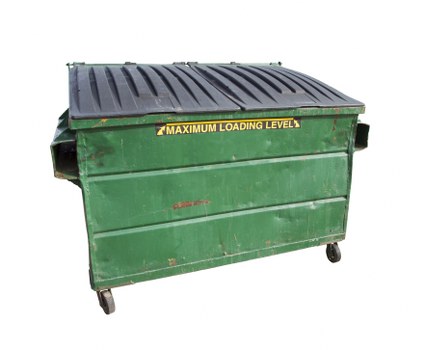 Scope and purpose. This policy sets out the approach to health and safety for our commercial waste and rubbish collection operations in and around Bethnal Green. It applies to all staff, contractors and sub-contractors engaged in commercial waste services, including collection, container handling, transfer and storage. The aim is to protect people, property and the environment by reducing risk across all waste management activities, from office administration to on-street refuse collection. The company recognises its responsibilities under applicable health and safety obligations and commits to reasonable and proportionate controls to achieve safe performance.
Responsibilities and roles. Management will maintain a clear allocation of duties and ensure supervisors and team leaders understand their obligations for the rubbish service operations. Employees and operatives must follow safe systems of work and report hazards. Key responsibilities include:
- Carrying out and recording routine risk assessments for commercial refuse services.
- Ensuring vehicles and equipment are maintained to safe standards.
- Providing appropriate personal protective equipment and training.
 Risk assessment and safe systems. Risk assessments will be documented, proportionate and reviewed when conditions change. Job-specific safe systems of work will be prepared for activities such as loading compactors, operating skip-lifts, working near traffic and handling bulky or hazardous waste. The company will use written method statements where necessary and ensure that temporary works and exclusion zones are established for higher-risk tasks. All staff must follow lock-out/tag-out, manual handling and traffic management procedures to reduce injury and damage.
Implementation and Controls for Rubbish Services
Operational controls. Vehicles used in commercial rubbish collection are to be inspected daily and defects reported immediately. Drivers and loaders are required to use restraints, wheel chocks and warning signage where appropriate. The waste containment hierarchy and segregation rules will be enforced to prevent cross-contamination and to reduce hazardous incidents. Routine checks of chute doors, compactor mechanisms and skip chains are mandatory. Safe loading limits must never be exceeded and securement of loads during transit is essential to public safety.
 Handling hazardous and specialist waste. Where hazardous materials are present, the team will follow specialist handling and disposal procedures. This includes appropriate labelling, use of designated containers, and ensuring that transfer notes and consignment documentation accompany consignments. Contractors engaged for hazardous waste removal must be competent, insured and able to demonstrate safe systems of work. Training in the identification of dangerous goods and chemical risks is part of the induction process for staff involved in refuse and commercial waste handling.
Incident reporting and emergency response. All incidents, near misses and unsafe conditions are to be reported without delay. The company will maintain a clear reporting flow and investigate incidents to identify root causes and corrective actions. Emergency procedures cover spill response, fire, vehicle incidents and personal injury. First aid kits will be available on-site and in vehicles, with trained first aiders accessible during operational hours. A written emergency plan will be communicated to relevant teams and reviewed after any significant event.
Monitoring, Review and Continuous Improvement
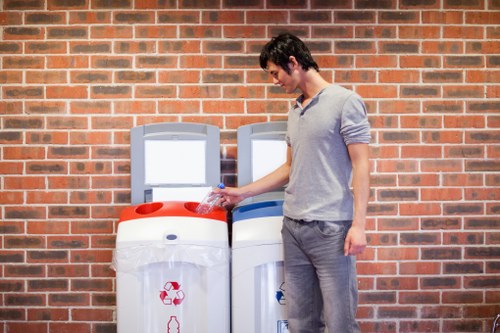 Performance monitoring. The business will monitor health and safety performance through audits, inspections and regular safety observations. Key performance indicators for the waste collection service include accident frequency, near-miss reports, vehicle defect rates and timely completion of safety checks. Audits will be used to verify compliance with documented procedures and to identify opportunities for improvement. Results will be reported to senior management and used to set realistic improvement targets.
Training and competence. Continuous training is essential for safe commercial waste operations. All operatives will receive induction training covering manual handling, PPE use, traffic safety and the specific hazards associated with commercial refuse collection. Ongoing refresher training, toolbox talks and competency assessments will ensure staff remain capable of delivering waste management services safely. Records of training and certificates will be retained for audit and review.
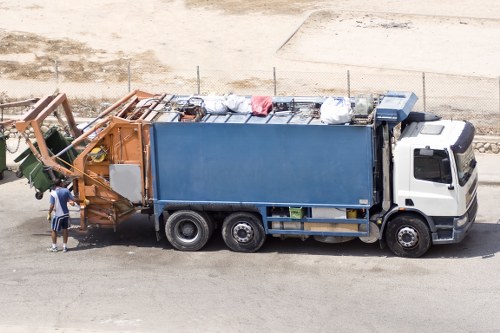 Commitment and review. The organisation is committed to maintaining a safe working environment for its commercial waste and rubbish services. This policy will be reviewed at least annually or sooner following significant changes to operations, legislation or a material safety incident. Management will ensure adequate resources are available to implement the policy, promote worker engagement and encourage the reporting of hazards. By embedding safety into daily operations, the company aims to minimise harm, protect the public and foster a culture of continual improvement in refuse collection and waste management services.
