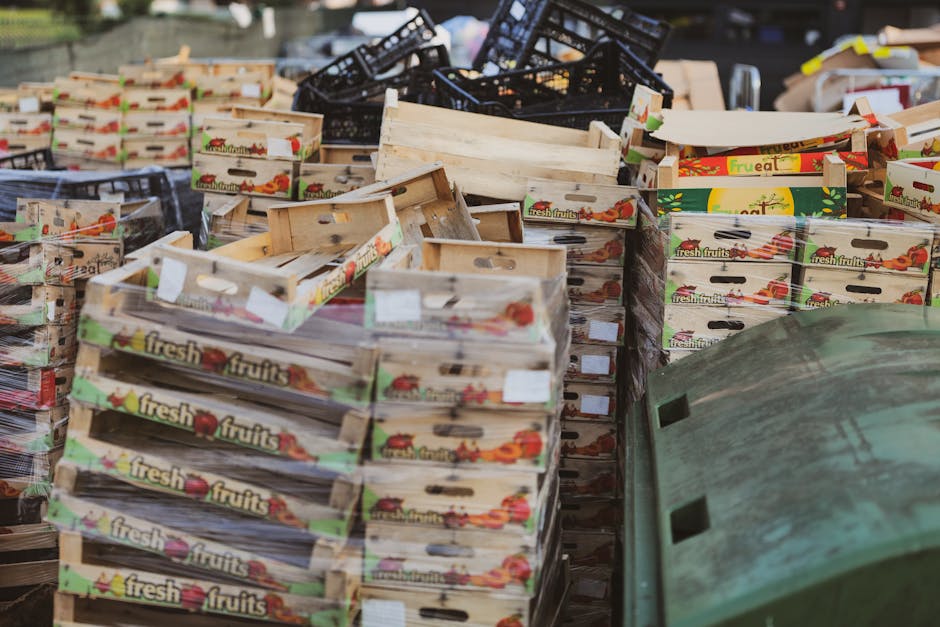
Columbia Road market stall waste removal options in Bethnal Green
Running a market stall on or near Columbia Road is busy work. By the time the flowers, packaging, broken display pieces, food waste, and end-of-day scraps have piled up, you do not want a waste problem hanging around into the next trading day. That is where Columbia Road market stall waste removal options in Bethnal Green become more than a housekeeping issue. They affect presentation, safety, access, and how smoothly you can pack down when the market starts to thin out and the street gets loud again.
This guide walks through the main ways stallholders can deal with waste, what each option is best for, and the practical trade-offs worth thinking about. If you need a broader starting point, our main waste removal service overview can help you compare approaches before you decide.
Contents
- Why Columbia Road market stall waste removal options in Bethnal Green matters
- How Columbia Road market stall waste removal options in Bethnal Green works
- Key benefits and practical advantages
- Who this is for and when it makes sense
- Step-by-step guidance
- Expert tips for better results
- Common mistakes to avoid
- Tools, resources and recommendations
- Law, compliance, standards, or best practice
- Options, methods, or comparison table
- Case study or real-world example
- Practical checklist
- Conclusion
- Frequently asked questions
Why Columbia Road market stall waste removal options in Bethnal Green Matters
At Columbia Road, waste builds up fast. A flower stall can end up with crushed trays, water-soaked packaging, damaged blooms, broken ties, and green waste before lunchtime is even over. A food trader may have cardboard, food prep waste, liners, and mixed rubbish that needs sorting properly. Even non-food stalls often generate more waste than people expect: bubble wrap, tape, damaged stock, display offcuts, and the odd broken crate that never seems to fit neatly anywhere.
The simple truth is this: if waste is not handled well, it gets in the way. It makes the stall look untidy, creates trip hazards, and can slow down pack-up at the very moment everyone is trying to clear the street. And on a busy market day, every minute counts. Nobody wants to be wrestling with a loaded sack while the weather turns or the van is waiting.
Good removal options also help with public-facing image. Customers notice a clean stall. They notice when rubbish is tucked away and when the pitch feels organised. That may sound obvious, but in a market setting it really matters.
There is a wider operational benefit too. The more predictable your waste removal process, the easier it is to keep costs, labour, and storage under control. If your stall changes seasonally, or you trade with different product lines across the year, waste patterns can shift quickly. A steady system keeps those changes from becoming a headache.
Expert summary: For market stalls, the best waste solution is usually the one that combines speed, access, and simple sorting. In practice, that often means planning removal before the waste becomes visible clutter.
How Columbia Road market stall waste removal options in Bethnal Green Works
Most stall waste removal setups fall into three broad approaches: collect and carry away yourself, use a shared or scheduled market waste arrangement, or book a professional clearance when you need more capacity or a one-off uplift. Which one fits depends on how much waste you generate, how bulky it is, and how much time you realistically have at pack-down.
For some traders, the system is straightforward. Waste is separated during trading, packed into manageable bags or boxes, then taken to a storage point for collection. For others, especially if stock comes in large deliveries or the stall produces mixed bulky waste, the job is less tidy. You may need help with awkward items, damaged fixtures, or sudden end-of-season clear-outs. That is where a service that also handles business waste removal can be useful, because the needs of a market trader are still commercial needs at the end of the day.
The practical flow usually looks like this:
- Separate general rubbish, recyclable material, and special waste streams where possible.
- Bag or box waste so it can be moved safely without spilling into the street.
- Keep bulky items apart from normal refuse so they do not block loading space.
- Arrange collection or disposal at a time that matches your trading pattern.
- Record anything unusual, especially if it may require special handling.
That last point matters more than people think. If you suddenly end up with broken shelving, a small fridge, or furniture from a pop-up display, you need to know whether it can go with standard waste or whether a more specific removal route is safer. For heavier items, the relevant pages for fridge and appliance removal and furniture disposal are worth reviewing before you make assumptions.
Sometimes the better question is not "How do I get rid of it?" but "What mix of options is least disruptive?" A stallholder might use one arrangement for daily waste, another for recyclable cardboard, and a one-off clearance after a redesign or seasonal reset. Not fancy. Just sensible.
Key Benefits and Practical Advantages
The biggest advantage is simple: less friction at the end of the day. If your waste process is clear, you close up quicker and with less stress. That matters on Columbia Road, where trading hours, loading considerations, and foot traffic can make the final hour feel a bit like a small controlled chaos. Let's face it, market pack-down is rarely glamorous.
Other benefits include:
- Cleaner presentation: a tidier stall creates a better impression for customers and nearby traders.
- Safer movement: fewer loose bags, boxes, and awkward items underfoot.
- Better sorting: separating recyclable waste often becomes easier when the system is planned.
- Less storage pressure: you do not need to keep piles of cardboard or broken stock sitting around.
- More predictable costs: a planned service often beats ad hoc panic later on.
There is also a quieter advantage that gets overlooked: peace of mind. When waste is handled properly, you can focus on trading rather than wondering where to put one more bag or whether a pile of packaging will become a nuisance before collection. That alone is worth a lot on a chilly Sunday morning when the first delivery arrives and the coffee is still too hot to drink.
If you care about reuse and lower-impact disposal, it helps to choose methods that support sorting and recovery. Our recycling and sustainability page sets out how that thinking fits into day-to-day waste handling.
Who This Is For and When It Makes Sense
This topic is not only for stallholders with mountains of rubbish. It applies to anyone trading at or around Columbia Road who regularly deals with packaging, spoilage, damaged stock, or bulky leftover material. That might be a flower seller, vintage trader, food operator, craft stall, or seasonal pop-up. Different items, same problem: waste can pile up quickly and awkwardly.
It also makes sense for traders who:
- have limited storage space between market days
- work with fragile stock that creates lots of packaging waste
- need to clear damaged or unsaleable goods after a busy weekend
- share space and need a tidy, professional pitch
- want a more dependable routine than loading everything into a car or van
If your stall is part of a wider business, waste can spill beyond the pitch itself. You may be dealing with stockrooms, prep areas, or home storage too. In those cases, it can be helpful to think beyond the stall and look at related clearance support such as office clearance for backroom workspaces or garage clearance if you store overflow goods off-site. Not every trader needs this, of course, but when they do, it becomes very obvious very fast.
When does it make sense to bring in outside help? Usually when waste is too bulky, too frequent, or too disruptive to handle alone. If you are losing trading time, straining staff, or simply running out of room, the system is no longer serving you.
Step-by-Step Guidance
Here is a practical way to approach waste removal without overcomplicating it. It does not need to be perfect. It just needs to work reliably, week after week.
- Identify your waste types. Make a quick list of what you actually throw away: cardboard, plastic wrap, flower waste, food waste, damaged stock, timber, metal, or mixed rubbish.
- Estimate volume and timing. Ask yourself how much waste you create on a normal day, and what happens on your busiest days. Sunday and special-event trading can be very different.
- Separate what can be reused or recycled. Keep clean cardboard, crates, and recyclable packaging apart where possible.
- Choose your collection method. Decide whether you will self-manage, use a standing commercial arrangement, or arrange a one-off collection when volumes spike.
- Plan your pack-down route. Make sure waste bags and bulky items can move from stall to pickup point without blocking neighbours or customers.
- Prepare for special items. Anything sharp, heavy, electrical, or contaminated needs a bit more thought. That is where specific services matter.
- Review after a few trading cycles. If bags are overflowing or collection is too early, adjust the system. Small tweaks can save a lot of hassle.
For mixed or heavy loads, some traders look at general clearance support and then narrow down the specifics. A simple reference point is the waste removal service overview, which can help you think about scope before booking anything. If the load is more like a one-off cleanout than everyday rubbish, you may also find builders waste clearance relevant if there are timber offcuts, fixings, or display construction leftovers involved.
One small but useful habit: keep a waste log for a month. Nothing complicated. Just note what went out, what type it was, and when. It quickly shows patterns you might otherwise miss.
Expert Tips for Better Results
In our experience, the best waste routines are the boring ones. The smooth, repeatable ones. The ones that stop being a drama because everyone knows their part. That is not very exciting, but it works.
Try these practical tips:
- Use the same bag or box format every week. Consistency makes pack-down faster and easier to judge.
- Keep a small "awkward items" zone. One corner for bulky or odd-shaped waste prevents random piles forming.
- Label anything that needs special handling. Especially useful for electrical items, sharps, or breakables.
- Do not let recyclable cardboard get wet. A damp pile can become harder to move and less useful for recovery.
- Work with your neighbours. Sometimes a shared approach is cleaner than everyone improvising separately.
If you deal with bedding, upholstery, or display seating, related services like mattress and sofa disposal can be surprisingly relevant when market stock or fit-out materials need removing. And yes, market stalls do occasionally end up with odd furniture bits. Very odd bits, sometimes.
A final tip: do not wait until the pile is embarrassing. Once waste starts affecting the visual feel of the stall, you are already late. Better to remove it while it is still manageable.
Common Mistakes to Avoid
A lot of waste problems begin with good intentions and slightly optimistic planning. That is the honest version. People assume they can fit one more box, or that next week will be quieter, or that the van space will magically appear. It rarely does.
- Mixing everything together. It may feel quicker, but it usually creates more work later.
- Underestimating bulky waste. Large items take far more space than they seem to at first glance.
- Ignoring timing constraints. If collection does not fit your trading rhythm, it becomes a chore.
- Leaving a "temporary" pile too long. Temporary waste has a way of becoming permanent.
- Forgetting special waste categories. Electrical items, sharp materials, and anything potentially hazardous need proper handling.
Another common slip is assuming all waste can go the same place. It cannot. For example, if you have contaminated items or substances that may need extra care, you should look at hazardous waste disposal rather than treating them as ordinary rubbish. Better to pause and check than to create a problem for later.
And a tiny human truth: when you are tired after a long market day, you will make quicker decisions than usual. That is exactly when simple systems save you from yourself.
Tools, Resources and Recommendations
You do not need much technology to manage market stall waste well. Usually the most useful tools are simple, visible, and easy to reach.
- Colour-coded bags or crates: helpful for separating cardboard, soft plastics, general waste, and special items.
- Foldable tubs or stackable boxes: good for traders with limited pitch space.
- A short waste checklist: a laminated note in the van or at the stall can save time.
- A basic logbook: useful for spotting busy periods and planning collections.
- PPE where needed: gloves, sensible footwear, and a clear lifting routine go a long way.
If your setup involves office-style backrooms or admin space, the relevant support may overlap with confidential shredding for paperwork and office clearance for a wider tidy-up. Not every stall needs those, but many small businesses do have a messy back-end, even if the front pitch looks spotless.
For those building a more formal waste process, it is also worth reviewing health and safety policy and insurance and safety information so your handling routines line up with the way you work. A calm system is usually a safer one.
Law, Compliance, Standards, or Best Practice
Market waste should be treated with care and common sense. In the UK, businesses are generally expected to manage their waste responsibly, keep it secure, and make sure it goes to an appropriate route. That means separating waste sensibly where possible, not leaving it where it can become a nuisance, and ensuring anyone handling it knows what they are doing.
For stallholders, compliance is often less about grand legal theory and more about everyday behaviour: clear storage, tidy transport, and proper handling of anything unusual. If you are trading food, flowers, or products that spoil quickly, there is also a practical hygiene angle. Waste that lingers too long can attract smells, pests, and complaints. Nobody wants that on a busy street with people stopping for coffee and flowers.
Best practice usually includes:
- keeping waste contained and secure
- separating recyclable material where feasible
- identifying bulky or specialist items early
- avoiding unsafe lifting or overfilled bags
- using a reputable service that understands commercial waste handling
If you are unsure about what fits in a mixed load, a practical reference point is what can go in a skip. It is not the same as every market waste scenario, of course, but it is a helpful way to think about what belongs together and what needs separate handling.
For business owners, proper bookkeeping, payment handling, and service terms also matter. It sounds dry, but they save arguments later. A transparent approach to pricing and quotes and payment and security can make the whole process feel far more straightforward.
Options, Methods, or Comparison Table
There is no single best solution for every stall. The right choice depends on waste volume, item type, and how often you need help. The table below gives a practical comparison.
| Option | Best for | Strengths | Limitations |
|---|---|---|---|
| Self-managed carry-out | Very small volumes and light packaging | Low complexity, flexible, immediate control | Can be tiring, space-limited, and awkward for bulky items |
| Scheduled commercial collection | Regular traders with predictable waste | Reliable, easier to plan, less disruption at pack-down | Needs coordination and may not suit unusual one-off loads |
| One-off clearance | Seasonal resets, end-of-line stock, fit-out waste | Good for bigger jobs, clears space quickly | Less suited to everyday waste generation |
| Specialist item removal | Appliances, furniture, or unusual waste streams | Safer for awkward items and mixed materials | Requires sorting and choosing the right service |
For traders with a lot of mixed stock or back-of-house clutter, a broader clearance route can make more sense than piecemeal removal. Related services such as furniture clearance or home clearance may be helpful if the issue has spread beyond the market pitch itself. It happens. More than people admit.
Case Study or Real-World Example
Imagine a small Columbia Road stall selling seasonal plants and decorative items. During the week, waste is light: a few cardboard sleeves, string, and some plastic wrapping. But on Sundays, especially during busy periods, the waste suddenly jumps. Crushed trays, wet paper, damaged plants, and a handful of broken display supports all appear at once. It is not huge, but it is awkward.
At first, the trader tries to manage everything by hand. Waste bags are kept under the table, then stacked behind the pitch, then shifted into a vehicle after close. It works, but only just. On one rainy morning, the cardboard gets soggy, the bags split, and pack-down takes far longer than planned. The stall still closes, but everyone is tired and slightly cross. Fair enough.
The trader then changes approach. Light packaging is separated during trading, a small container is used for damaged plant material, and bulkier display waste is set aside for a planned collection after the market. The difference is immediate: less mess, faster close-down, and fewer awkward last-minute decisions. The stall looks better too. Customers notice.
That is the real lesson. Waste removal is not only about throwing things away. It is about designing a routine that fits the way you actually trade.
Practical Checklist
Use this checklist before, during, or after a trading day. It keeps things simple.
- Have I separated recyclable material from general waste?
- Are my bags, boxes, and containers easy to move without spilling?
- Do I have a plan for bulky or damaged items?
- Is any waste likely to need specialist handling?
- Will my chosen removal option fit my trading hours?
- Have I left enough space for pack-down and safe movement?
- Do I know who is responsible for waste at the end of the day?
- Are storage areas clean and dry enough for next time?
- Have I reviewed pricing and booking terms before arranging help?
- Is there anything unusual that should be flagged early?
If you are setting up a new routine, start with just three things: sort, store, and schedule. That alone solves a surprising amount of friction.
Conclusion
Columbia Road market stall waste removal options in Bethnal Green are really about making the trading day easier, cleaner, and safer. Whether you handle waste yourself, arrange regular collection, or book help for bulky clearances, the best system is the one that fits your real workload rather than your best-case scenario. That distinction matters.
For most stallholders, the winning formula is practical: sort waste early, keep pack-down simple, and make sure specialist items are handled properly. If you get those basics right, the whole day feels calmer. Less scrambling. Less clutter. Less of that end-of-day feeling that everything has become one big heap.
If you are comparing options, looking at commercial support, or trying to improve how your stall operates from week to week, the next step is simply to choose the most predictable route and build from there. Small improvements add up quickly.
Get a free quote today and see how much you can save.
And truth be told, a tidy stall is often the first sign of a well-run business. It shows up in the small details. Usually, that is where the difference begins.
Frequently Asked Questions
What is the best waste removal option for a Columbia Road market stall?
The best option depends on how much waste you create and what kind it is. Small, light waste may be manageable with a self-run system, while regular or bulky waste is usually better handled through a scheduled commercial arrangement or a one-off clearance.
Can market stall waste be mixed with general household rubbish?
Not safely, and usually not in a sensible business setup. Market waste should be sorted according to type, especially if it includes cardboard, green waste, packaging, appliances, or anything potentially hazardous. Mixing everything together usually causes more problems later.
How do I deal with broken display items or old stall furniture?
That kind of waste is often better treated as bulky commercial waste rather than normal day-to-day rubbish. Depending on the item, related services such as furniture disposal or furniture clearance may be more appropriate than a basic bin-style approach.
Do I need a specialist service for electrical items from a stall?
Yes, it is wise to treat electrical items separately. Even a small item can need careful handling, and some equipment is better removed through an appliance-focused service rather than ordinary waste collection.
What should I do with food waste or spoiled flowers?
Keep them contained and separate where possible, then remove them promptly. Food waste and organic material can create smells and hygiene issues quickly, especially in warmer weather or on a crowded trading day.
Is one-off waste removal enough for a market stall?
Sometimes, yes. If waste only builds up occasionally, a one-off service may be enough. But if you trade regularly and create waste every week, a planned routine is usually much easier to live with.
How can I make pack-down faster at the end of the market?
Sort waste during trading rather than waiting until close. Use the same containers every week, keep bulky items in one place, and avoid filling bags so full that they become awkward to lift. Simple habits save time.
What if I also store stock at home or in a garage?
Then your waste problem may be bigger than the stall itself. In that case, wider clearance support such as garage clearance or home clearance can help you deal with overflow, old stock, and accumulated packaging.
How do I know if waste needs special handling?
If an item is sharp, heavy, contaminated, electrical, liquid-based, or simply not something you would throw into standard rubbish, treat it as special. When in doubt, pause and sort it separately rather than guessing.
Can waste removal help my stall look more professional?
Absolutely. Clean waste handling keeps the pitch tidy, reduces clutter, and helps customers focus on your products rather than the mess around them. It is a small detail that has a real effect.
What is the most common mistake stallholders make with waste?
The biggest mistake is underestimating how quickly waste builds up. People often plan for an average day and then get caught out by a busy one. A better approach is to plan for your heavier days and let quieter days feel easy.
Where should I start if I need help choosing a service?
Start by listing the waste you actually generate, then compare the practical fit of each option. If you want a clearer overview before booking anything, our pricing and quotes page is a sensible place to begin.